Selling the Story: Albanian-Americans Who Turned Grandma's Tales Into a Business
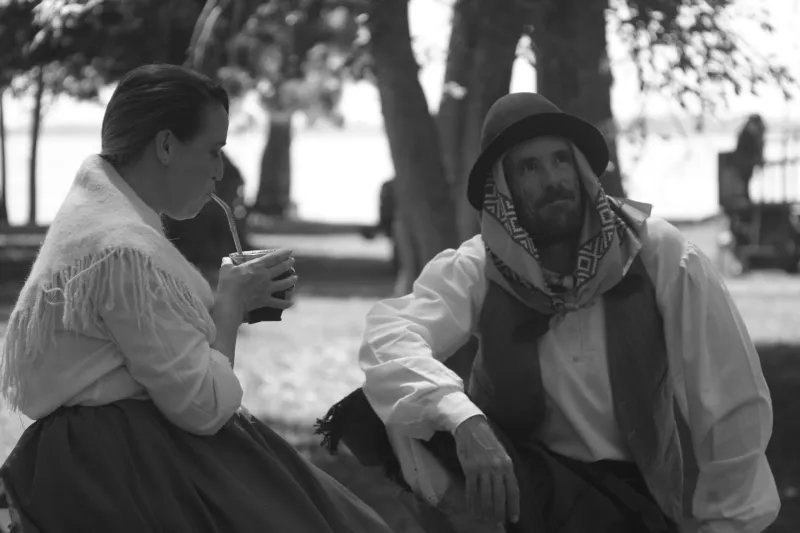
Klajdi Bushati remembers the exact texture of his grandmother's storytelling. The way she'd lower her voice for the scary parts. The way she'd pause before the ending, drawing out the silence until the room felt stretched. The characters in her tales weren't abstractions—they were neighbors, cousins, forces of nature with proper names and complicated motivations.
When she died, Klajdi says, he felt something specific and irreplaceable go with her. "It wasn't grief exactly, though it was that too. It was more like watching a library burn."
Five years later, he runs a podcast with forty thousand subscribers, a merch line, and a partnership with a Brooklyn cultural center. He has not let the library burn.
The Heritage Economy Is Real
Across the United States, a small but growing cohort of Albanian-Americans is doing something their grandparents probably never imagined: building businesses out of the stories, songs, customs, and rituals that arrived in this country packed inside someone's memory.
The products vary widely. Some are digital—podcasts, YouTube channels, Substack newsletters that translate Albanian folklore for English-speaking audiences. Some are experiential—festival programming, heritage tours to Albania and Kosovo, cultural immersion weekends for diaspora families who want their American-born kids to understand where they come from. Some are B2B—consulting services for museums, educational institutions, and media companies that want to represent Albanian culture accurately and need someone who actually knows what they're talking about.
What they share is a recognition that cultural knowledge has value—not just sentimental value but market value—and that Albanian-Americans are sitting on a significant, largely unmined resource.
From Kitchen Table to Content Studio
Klajdi's podcast, Tregime, started as a personal project during the pandemic. He was stuck at home, going through recordings he'd made of his grandmother years earlier, and he started transcribing and translating her stories. A friend suggested he share them. He put up three episodes expecting maybe a hundred listeners.
"By the end of the first month I had ten thousand downloads and emails from Albanian-Americans all over the country saying they'd never heard these stories before," he says. "That was the moment I realized this wasn't a hobby."
The podcast now blends archival recordings with original commentary, interviews with scholars and community elders, and occasional deep dives into specific folklore traditions—the mythology around the shtriga, the symbolism in traditional wedding songs, the cosmology embedded in harvest rituals. It's rigorous but accessible, academic without being dry.
Monetization came gradually—Patreon supporters first, then sponsorships from Albanian-American businesses, then a deal with a digital distributor. Klajdi is careful about which sponsors he accepts. "I've turned down a couple of things that felt like they were trying to use the culture as an aesthetic rather than engage with it seriously," he says. "That's a line I won't cross."
The Festival Curators
In a different corner of the folklore economy, Besa Çoku is building something more physical. Based in the New York area, she runs a cultural consulting and event production company that specializes in Albanian heritage programming.
Her clients range from community organizations putting on summer festivals to universities hosting Balkan culture weeks to a boutique travel company that approached her about designing an "authentic Albanian cultural experience" for American tourists visiting the country.
That last project gave her pause. "The word 'authentic' is doing a lot of work in that sentence," she says with a laugh. "What does authentic mean? For whom? Designed by whom?"
Besa spent months consulting with local communities in Albania before finalizing the itinerary, insisting that economic benefit flow to the villages and families involved rather than just to intermediaries. The resulting tour includes homestays, cooking workshops, and sessions with local storytellers—not a performance of Albanian culture for outside consumption, but an actual encounter with it.
"There's a difference between a zoo and a nature preserve," she says. "I'm trying to build the nature preserve."
When Tradition Becomes Product
The commercialization of cultural heritage is never uncomplicated, and Albanian-American entrepreneurs in this space are generally clear-eyed about the tensions involved.
Who has the right to monetize a collective tradition? What happens when the market's demand for something simple and photogenic distorts something that is actually complex and contradictory? How do you prevent authentic cultural content from being flattened into content—stripped of context, packaged for shareability?
These aren't hypothetical concerns. Several of the entrepreneurs interviewed for this piece described watching their work get screenshot and reposted without credit, their careful contextualizations stripped away, their nuanced storytelling reduced to a quote graphic or a thirty-second reel.
"Someone took a clip from my podcast, removed all the context, and turned it into a TikTok that went mildly viral," says Klajdi. "It wasn't malicious. But the story lost something important in that format. I had to put out a whole episode explaining what was missing."
The Educational Angle
One area where Albanian-American folklore entrepreneurs are finding both traction and clear ethical footing is education. Several have developed curriculum materials for Albanian-American community schools, heritage language programs, and mainstream American schools in areas with significant Albanian populations.
The demand is real. Teachers looking for diverse cultural content, community organizations trying to engage second and third-generation kids who feel disconnected from their heritage, grandparents desperate to share something with grandchildren who don't speak Shqip—all of these represent genuine needs that commercially viable products can genuinely serve.
Besa has developed a workshop series for middle schoolers that uses Albanian folk tales as a jumping-off point for discussions about identity, belonging, and storytelling itself. It's been piloted in three school districts in New Jersey and New York. "The kids love it," she says. "And honestly? So do the teachers. They're hungry for this kind of material."
The Stakes of Getting It Right
At the end of the conversation, Klajdi says something that sticks. He talks about his grandmother, about what she understood intuitively that took him years of building a business to articulate: that stories aren't just entertainment. They're how a community understands itself, transmits its values, survives its disruptions.
"She wasn't preserving folklore," he says. "She was keeping people alive. The people in those stories, yes. But also the people listening to them."
That's a high bar for a podcast to clear. But it's also exactly the right one to aim for.