Double-Tapping on Heritage: The Albanian Creators Turning TikTok Into a Cultural Bridge
The Algorithm Doesn't Know What Besa Means — But It's Learning
Somewhere between a trending audio clip and a plate of tavë kosi, something unexpected is happening on your For You Page. Albanian-American creators — kids who grew up translating for their parents at the grocery store, who ate burek before they knew what a croissant was — are quietly becoming some of the most interesting voices in the US creator economy.
They're not going viral by accident. They're doing it with intention, humor, and a cultural fluency that spans two worlds most Americans have never thought to connect.
For a community that has long existed in the background of the American immigrant story — overshadowed in media by larger diaspora groups — this moment feels significant. And for Gen Z Albanian-Americans especially, it's personal.
Who's Actually Making This Content?
The range is wider than you might expect. You've got lifestyle creators in New York and New Jersey who pepper their daily vlogs with Albanian phrases, then stop to explain what they mean. There are comedy accounts in the Bronx and Detroit where second-generation kids dramatize the chaos of Albanian family dynamics — the hovering grandmothers, the Sunday lunches that somehow last until Tuesday, the aunts who ask about your love life before you've even taken off your coat.
Then there are the more niche corners: history pages breaking down the Ottoman-era roots of Albanian customs, food accounts that treat flia or petulla with the same reverence a Bon Appétit writer gives sourdough, and music creators who are introducing younger audiences to iso-polyphony, the ancient Albanian vocal tradition that UNESCO actually put on its cultural heritage list.
What connects all of them is a kind of dual fluency — they know how to speak the internet's language while still saying something real about where they come from.
The Monetization Game
Let's be honest about something: going viral is great, but paying rent in an American city requires more than views. The Albanian creators who are building sustainable platforms have figured out how to turn cultural content into actual income, and the strategies are as varied as the content itself.
Brand deals are the obvious route, and some creators have landed partnerships that would have seemed unimaginable five years ago — collaborations with food brands, travel companies, and fashion labels who see the value in reaching a tight-knit, highly engaged community. Albanian-American audiences tend to be intensely loyal to creators they feel represent them authentically, which makes that audience genuinely attractive to advertisers.
Merch is another lane. A handful of creators have launched clothing lines featuring Albanian phrases, the double-headed eagle, or inside jokes that only make sense if you grew up hearing your babi yell at the TV during a soccer match. These aren't just products — they're identity signifiers, the kind of thing you wear to signal belonging to a community that most of America doesn't even know exists.
YouTube's longer-form content is where some creators are building the most durable businesses, with ad revenue, channel memberships, and Patreon-style support from diaspora viewers who feel seen in a way that mainstream media has never quite managed.
The Authenticity Tightrope
Here's the tension that every creator in this space talks about eventually: the algorithm rewards consistency and trend-chasing, but the community rewards realness. And those two things don't always point in the same direction.
Posting a thirst trap with a trending sound will get you reach. Posting a ten-minute video about why your grandmother still lights a candle for the dead on a specific Thursday in November will get you something harder to measure — depth, trust, the feeling of having actually said something.
The creators who seem to be navigating this best are the ones who treat the algorithm like a tool rather than a boss. They'll hop on a trending format when it makes sense, but they're not willing to hollow out their content to chase numbers. One creator from the New Jersey Albanian community put it simply in a recent video: "I could make content about literally anything and probably do fine. But the stuff that blows up for me is always the Albanian stuff. People are hungry for it because nobody else is making it."
That hunger is real. For Albanian-Americans who grew up feeling like their culture was invisible in American pop culture — never the protagonist, rarely even a side character — watching someone on their phone screen crack a joke in shqip and get half a million likes is genuinely moving.
Introducing Albania to Gen Z, One Reel at a Time
Maybe the most quietly radical thing these creators are doing is educational, even when they're not trying to be.
Gen Z Albanian-Americans — particularly those born in the US to parents who immigrated in the '90s or early 2000s — often have a complicated relationship with their heritage. Some grew up in tight Albanian communities in places like the Bronx, Yonkers, or suburban Michigan, where the culture stayed vivid. Others grew up more isolated from it, their Albanian identity something that lived mainly at holiday tables and family gatherings.
For both groups, social media has become a kind of cultural reclamation project. Watching a creator explain the concept of nder — that deeply Albanian idea of honor and dignity — in the middle of a comedy skit about family drama is doing something that a heritage language class never quite could. It makes the culture feel alive, relevant, and worth caring about.
And for non-Albanian Americans stumbling onto this content through the algorithm? Many are encountering Albania for the first time. Comments sections on popular Albanian creator videos are full of people from Texas, Ohio, and California saying some version of: "I had no idea Albania existed like this. I'm obsessed."
That's not nothing. That's actually a lot.
What Comes Next
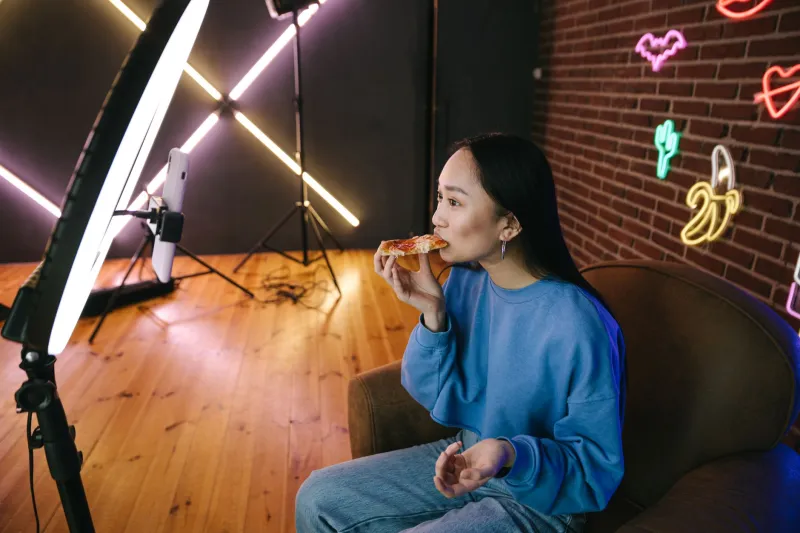
The Albanian creator community in the US is still relatively small compared to some other diaspora groups, but it's growing fast and it's growing smart. The creators who started with shaky phone cameras a few years ago are now investing in proper equipment, hiring editors, and thinking seriously about what they're building long-term.
There's also a generational handoff happening in real time. Younger siblings are watching their older brothers and sisters build platforms and thinking: I could do that too, but differently. The next wave of Albanian-American creators is already coming up, and they're going to be even more comfortable claiming space on the internet — and in American culture more broadly.
For a community that has always known how to survive and adapt, figuring out TikTok is honestly the easy part. The harder, more interesting work is deciding what story to tell once you have the audience. Based on what's already out there, the Albanian-American creator community seems to know exactly what it wants to say.